When water gets into a Southampton home, the first hours matter most. Crews extract standing water and begin structural drying right away. Referral hotline: your call is routed to a licensed, insured local restoration company.
Call (631) 557-6794Water damage can turn into your worst nightmare if left untreated. Whatever the source — a burst pipe, a failed sump pump, a storm-driven flood — every hour standing water sits increases structural risk and mold exposure. The crew walks every job from first call to final inspection.
Located in the East End's Hamptons area in the Town of Southampton, Southampton (11968) is a short drive from Water Mill, Hampton Bays and Bridgehampton. With so many seasonal residents, caretakers and neighbors are often the ones who find the damage.
Across Suffolk County, an estimated 380,000 homes and buildings rely on cesspools or septic systems, so sewage backups and failed systems are a distinct source of water damage here. Oceanfront and bayfront properties deal with erosion, wave action, and storm surge, which can push water into lower levels and garages. High-end and original finishes respond best to rapid, controlled drying that avoids replacement where possible.
In practice, crews in Southampton focus on stopping the source, removing standing water quickly, and drying structure and contents to acceptable moisture levels.
The same crews cover nearby Water Mill, Hampton Bays and Bridgehampton. Crews also handle fire and smoke damage in Southampton and mold remediation in Southampton.
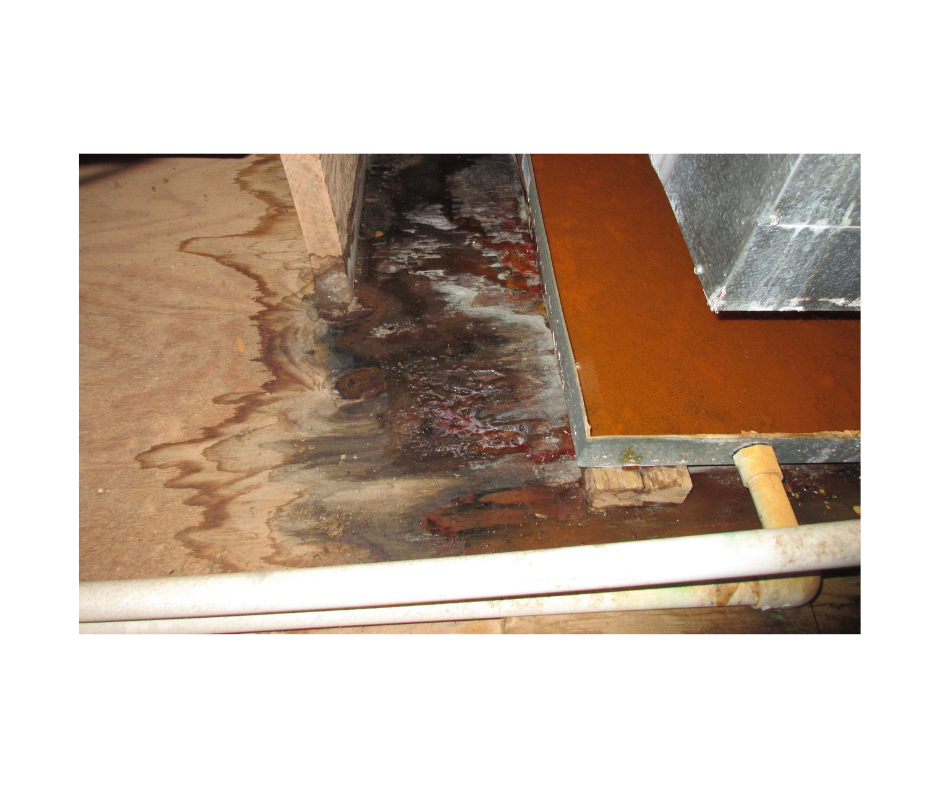
Crews remove standing water immediately with truck-mounted and portable extraction equipment.
Moisture meters document exactly how far water traveled, guiding the drying plan and your insurance claim.
Commercial dehumidifiers and air movers dry the structure, monitored daily until moisture returns to normal.
Damaged materials are repaired or replaced so the property is restored to pre-loss condition.
Drying continues until moisture readings return to acceptable levels, which varies with each job.
Often, yes, when drying starts quickly and uses proper equipment. Materials that stayed wet too long may need replacement.
Call as soon as it is found, shut off the water if you can do so safely, and photograph everything. Damage in an empty house has often been spreading for a while.
Sewage from a failed cesspool or septic system needs containment and sanitizing, not just drying. Many policies treat backups separately, so check what yours covers.
Trapped moisture inside walls and subfloors can lead to mold growth within a day or two, along with warped flooring and weakened materials.
Free on-site evaluation and direct insurance billing for Southampton 11968 properties.
Call (631) 557-6794